
Liability Cover
Pays the other driver's repair and medical bills when a crash on the road is your own fault.
Read MoreAuto insurance guidance
Your car, your route and your budget shape what a policy should look like. Sort those three out first, and the rest of the paperwork stops feeling like a puzzle.
Get StartedAbout CarmineWheels
Renewal papers tend to bury the parts that matter behind wording nobody uses out loud. I read those pages with you, say what each section really does, and then step back so the decision stays yours.
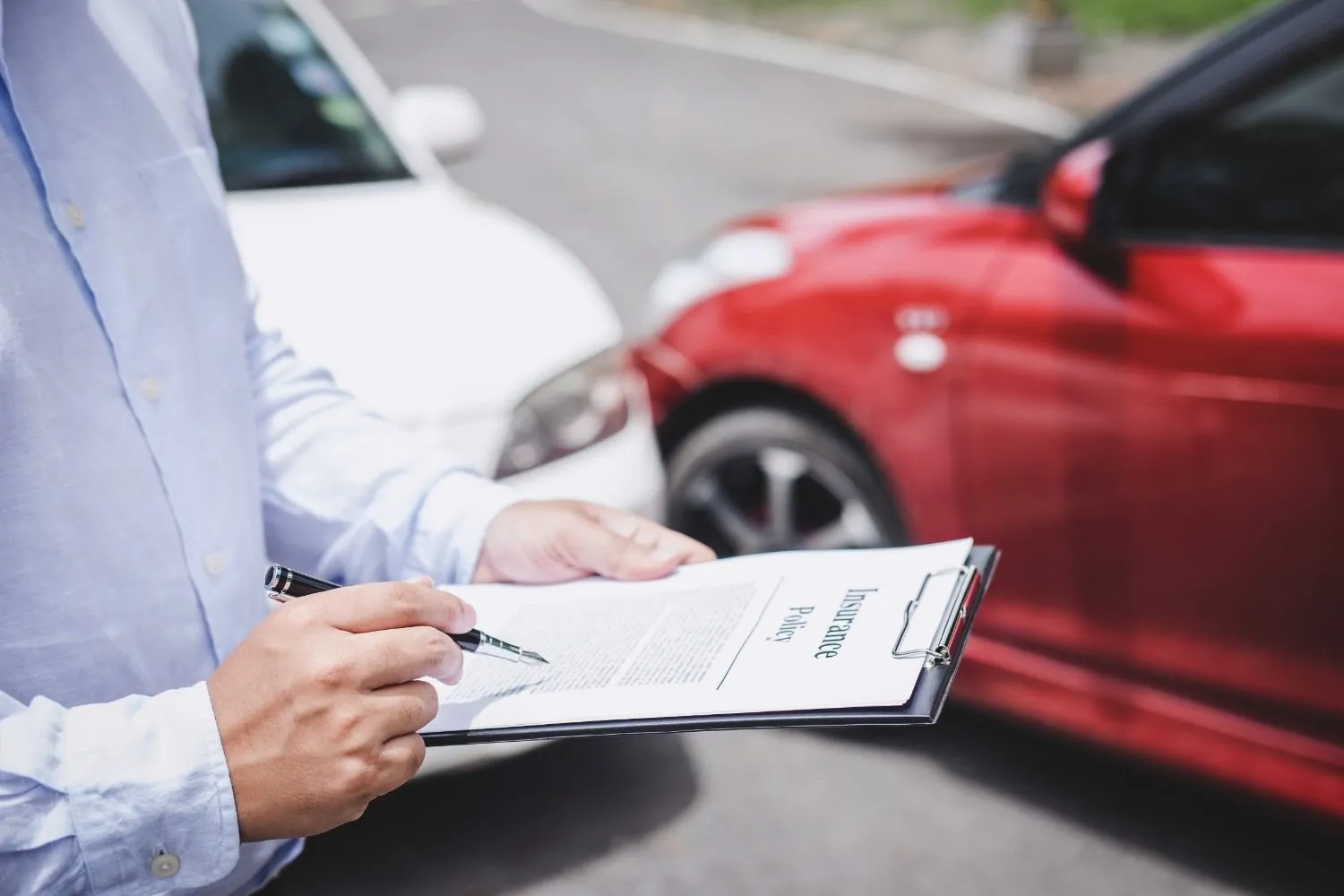
Coverage options
Pays the other driver's repair and medical bills when a crash on the road is your own fault.
Read MorePays for repairs to your own car, whether you hit another vehicle, a raised curb or a fence.
Read MoreTakes over when the driver who caused the damage carries no cover at all, or far too little.
Read MoreOne read through the renewal pages usually shows where the thin spots sit, and what a change would mean for the car sitting in your driveway.
Check Your CoverDriver feedback
Common questions
The make, model and year of the car, the address where it sits overnight, license details for everyone who drives it, and a rough idea of the miles you cover in a normal week.
Once a year is a fair habit, and sooner when something shifts. A different car, a new driver at home, a move across town or a longer daily route can all change what the policy should hold.
It is the share you pay yourself on a claim before the policy covers the rest. Picking a higher one usually trims the monthly cost, but it raises the amount you hand over after a crash.
Sometimes, though low limits can run dry in a serious crash and leave the remainder sitting with you. I would rather walk you through what a limit means in real numbers first.
Yes. Limits, deductibles and the drivers named on a policy can all be adjusted while it runs. Ask about the change before making it, so you can see what moves on the next bill.